Diamond Acquisitions

Tarrant County · Dallas–Fort Worth

Off-market Fort Worth deals, before they hit the MLS.

Off-market Fort Worth properties, sourced under contract and assigned in a single closing — pier-and-beam value-add on the east side, estate bungalows in Fairmount, and manufactured-home stock retail lenders won't finance.

The Fort Worth investor market

Why investors source Fort Worth deals through Diamond

Fort Worth's off-market opportunity is built on stock age and soil. The pre-1960 bungalow districts — Fairmount-Southside, Arlington Heights, Mistletoe Heights — and the east-side pier-and-beam stock in Polytechnic Heights, Handley, and Stop Six have been settling on expansive Texas blackland clay for 70-plus years. In the retail channel, a typical listing here dies the day the structural inspection comes back: buyers walk or renegotiate by $15K–$40K. That failure mode is precisely what creates investor inventory. Houses the retail market cannot finance or absorb trade off-market at pricing set against the problem rather than the comp set — and an investor who can scope pier-and-beam leveling or slab repair accurately is buying a discount that is structural, not cyclical. Wedgwood and Tanglewood add a slab-era profile with prior pier work, where the repair is a known quantity rather than an open-ended risk.

Manufactured housing is the second, less crowded lane. Tarrant County's mobile-home stock concentrates in 76108, 76140, and parts of 76179; days-on-market for manufactured homes across DFW has roughly doubled since 2023; and conventional lenders treat these assets as personal property until the TDHCA Statement of Ownership is converted to real-property status — a 4–6 week paperwork process most listing agents will not handle. The result is a segment with structurally thin retail competition. Diamond processes the TDHCA conversion through title inline with closing, so the asset an investor takes down arrives as real property — financeable, insurable, and resellable through normal channels.

The wholesale deal flow itself has consistent characteristics. Estate files on 1940s–1950s bungalows where out-of-state heirs want one Tarrant County closing instead of months of remote repairs — which means original-condition stock with clean motivation. Landlord exits in 76104 and 76112, where mid-century single-family rentals have rolled past their depreciation runway — typically stabilization projects rather than gut renovations. Vacancies in the newer northern build-out around 76177 and 76179, driven by work relocations tied to Alliance, BNSF, and American Airlines. Behind all of it sit the statewide pressures that compress seller timelines toward off-market sales: Texas carries the ninth-highest effective property-tax rate in the country, and its non-judicial foreclosure process can run in as little as 41 days from notice of default to auction.

Execution stays inside the county. Fort Worth files close through Tarrant County title companies — 9 to 14 days on clean title, 30 to 45 when a TDHCA conversion or probate file runs in parallel — and every Diamond deal is a single-closing assignment of contract: you take title directly and pay one set of closing costs. Offers go through the portal with your amount, close date, and financing type, and responses usually come back within 4 business hours. Strategy fit splits cleanly by geography: full-renovation flips in the character districts south and west of downtown, BRRRR and buy-and-hold on the east side, lighter-touch holds in the newer northern stock. With DFW retail conditions softening since late 2025 — more inventory, longer days-on-market — disciplined entry pricing matters more than it did two years ago, and that is exactly the environment where buying below the retail channel earns its keep.

Submarkets

Where the Fort Worth deal flow concentrates

  • Fairmount-Southside

    Estate-sale 1940s–1950s bungalows from out-of-state heirs — original-condition character stock suited to full-renovation flips. [VERIFY] Fairmount's historic-district overlay can affect exterior renovation scope, so budget facade work accordingly.

  • Arlington Heights

    West-side counterpart to Fairmount's estate pipeline: inherited pre-1960 bungalows where heirs take one Tarrant County closing rather than managing remote repairs — full-renovation flip territory with untouched original stock.

  • Polytechnic Heights

    Pier-and-beam stock settling on blackland clay for 70-plus years; active foundation movement is what pushes these houses off-market after retail buyers walk post-inspection. Price the leveling work and the entry discount is structural.

  • Stop Six

    East-side mid-century single-family where foundation condition and small-landlord exits drive the flow — stabilization-grade BRRRR rather than gut renovation, in what Diamond describes as its deepest Fort Worth competency alongside the northern ZIPs.

  • Wedgwood

    Slab-era houses with prior pier work — a known-quantity repair profile rather than an open-ended structural risk. Mid-century rentals coming off long landlord ownership here fit both flip and hold underwriting.

  • Northern Fort Worth (76177 / 76179)

    Newer build-out where vacancies come from work relocations tied to Alliance, BNSF, and American Airlines — lighter-rehab stock suited to buy-and-hold, plus part of the county's manufactured-home corridor.

Strategy fit

What works in Fort Worth

Fix & flip

Fort Worth's flip inventory concentrates in the pre-1960 districts — Fairmount-Southside, Arlington Heights, and Mistletoe Heights — where estate sales deliver original-condition bungalows that have not been touched in decades. The gating item is almost always structural: pier-and-beam settlement on blackland clay is what ends the retail sale, and it is why these houses trade off-market at all. An investor who can scope leveling work accurately is buying at a discount the retail channel cannot access, then selling into a buyer pool that pays for finished character stock. Wedgwood and Tanglewood add slab-era houses with prior pier work — a known-quantity repair rather than an open-ended one. The portal's rehab calculator and verified DFW contractors are built for exactly this underwriting.

Rental / BRRRR

The east side is where Fort Worth's hold thesis lives — Polytechnic Heights, Stop Six, Como, and Handley, plus the 76104 and 76112 corridors where small landlords are exiting mid-century single-family rentals that have rolled past their depreciation runway. Those exits tend to produce stabilization-grade BRRRR projects rather than gut renovations. Northern Fort Worth (76177, 76179) adds newer vacant stock from job-driven relocations — lighter rehab, suited to straightforward buy-and-hold. Tenant demand sits on top of real growth: DFW added roughly 123,000 residents between July 2024 and July 2025. DSCR and hard-money lenders who already close Diamond assignments are listed in the portal, and every deal page carries a rental calculator pre-populated with the deal's numbers.

Closed assignments

What investors bought → what they resold for

Real Diamond assignments executed by marketplace investors. Drag the handle to compare. We publish the purchase and resale numbers — the underwriting in between is yours.

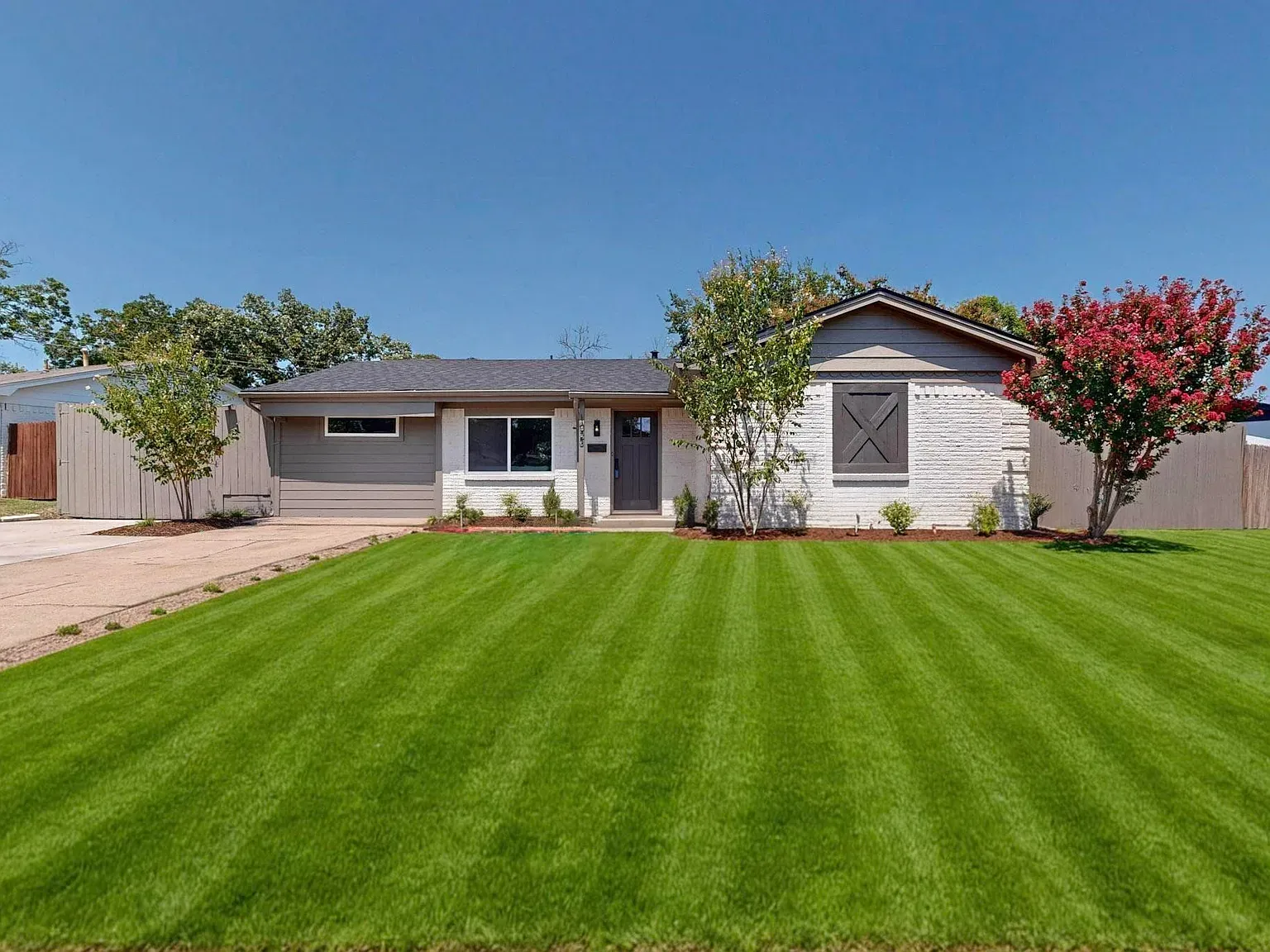
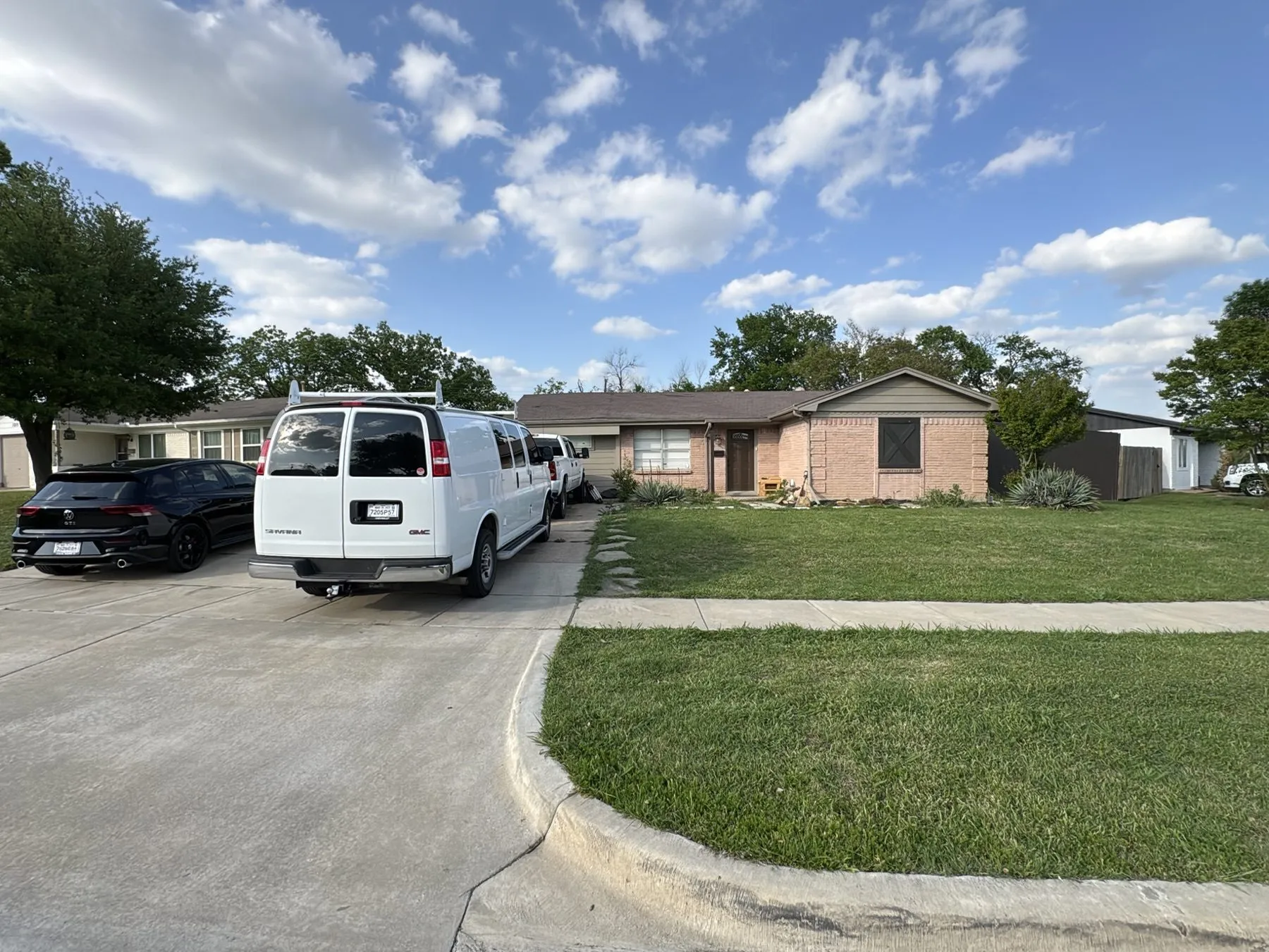
Carrollton property before renovation
Carrollton property after renovation by a Diamond investor
Before After

Carrollton · Fix-and-flip

Bought $215,000 → resold $339,000

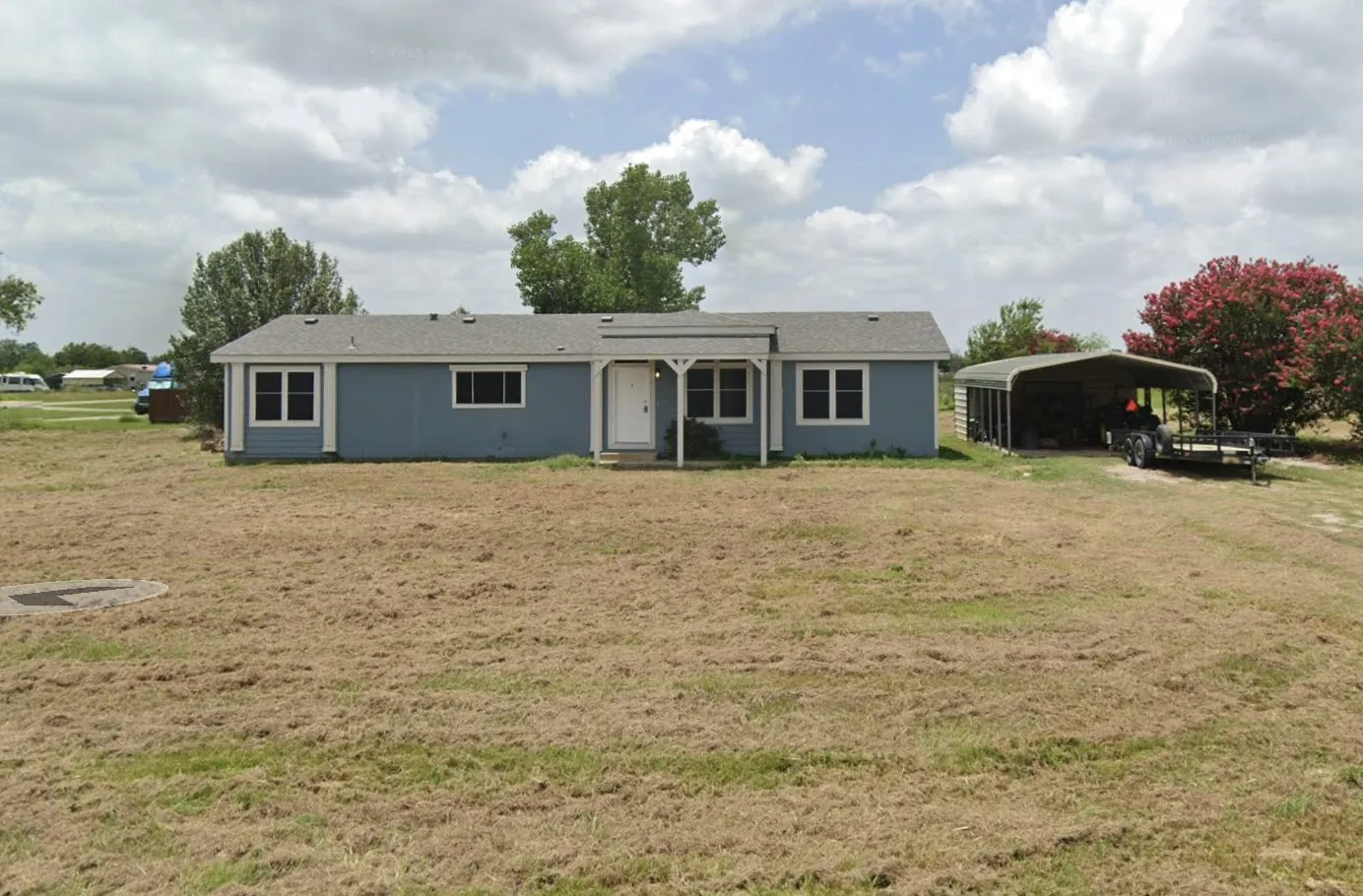
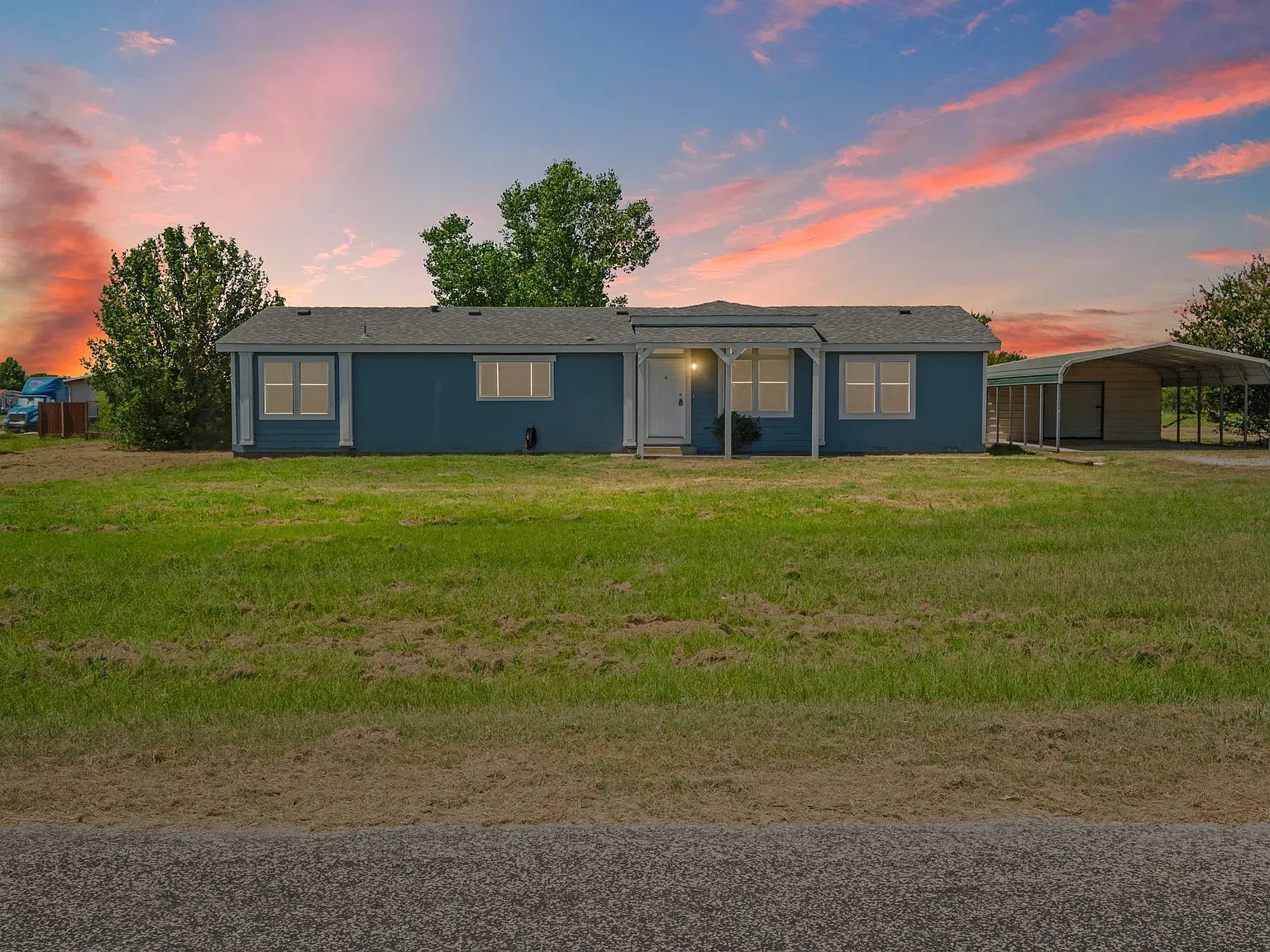
Terrell property before renovation
Terrell property after renovation by a Diamond investor
Before After

Terrell · Fix-and-flip

Bought $152,000 → resold $250,000

See every published case study

Fort Worth investor FAQ

What investors ask about buying in Fort Worth

How do I get access to off-market properties in Fort Worth?

Sign up for the Diamond marketplace — it is free, with no membership fee, subscription, minimum, or exclusivity clause. Diamond contracts off-market Texas residential property directly with sellers and has sourced 1,000+ properties under contract statewide; the portal lists 8–12 new deals per week across the five Texas metros we actively source, including Tarrant County. Every deal page includes flip, rental, and rehab calculators pre-populated with the deal's numbers.

How does closing work when I buy a Fort Worth deal through Diamond?

Every deal is a single-closing assignment of contract — you take title at closing and pay one set of closing costs, with Diamond's fee paid out of the spread at the title company. Fort Worth files close through Tarrant County title companies; clean-title closings typically run 9 to 14 days, while manufactured-home title conversions and probate files run 30 to 45 days as title and TDHCA processing move in parallel. Closing expectations are set before contract execution, and a transaction coordinator — a human, included with portal access — tracks inspection windows, lender deadlines, and title docs.

What financing can I use on Fort Worth deals?

Cash, hard money, DSCR, or conventional — you specify your financing type when you submit an offer in the portal, and verified lenders who already know how Diamond deals close are listed there. One Fort Worth-specific note: conventional lenders treat manufactured homes as personal property until the TDHCA Statement of Ownership is converted to real-property status. Diamond runs that conversion through title inline with closing, so the asset transfers to you as real property.

What condition should I expect on Fort Worth inventory?

Priced-for-condition value-add: pier-and-beam houses with active foundation movement, slab houses with prior pier work, estate-condition bungalows, and mid-century rentals coming off long landlord ownership. These are the conditions that push Fort Worth houses off-market in the first place — the structural inspection is typically what ends the retail sale. You underwrite your own repair scope; the portal's rehab calculator and verified contractors in every Texas metro Diamond serves support that diligence.

How do offers work, and how fast do I hear back?

Offers are submitted directly in the portal — set your amount, close date, and financing type, add notes if you want, and submit. Diamond responds inside the portal, usually within 4 business hours during the workweek. No email tag, no phone calls, no negotiation theater — if your number works, the deal moves to contract assignment.

Ready to see Fort Worth inventory?

Free marketplace access — browse live off-market deals, run the built-in calculators, and submit offers in-portal. No membership fees, no exclusivity.

  • We close in our own name — never assigned
  • Offer locked — no renegotiation after inspection
  • Proof of funds with every offer

A real Diamond operator buys your house with our own funds — not a wholesaler, not a call center. Meet the team.

Browse the marketplace