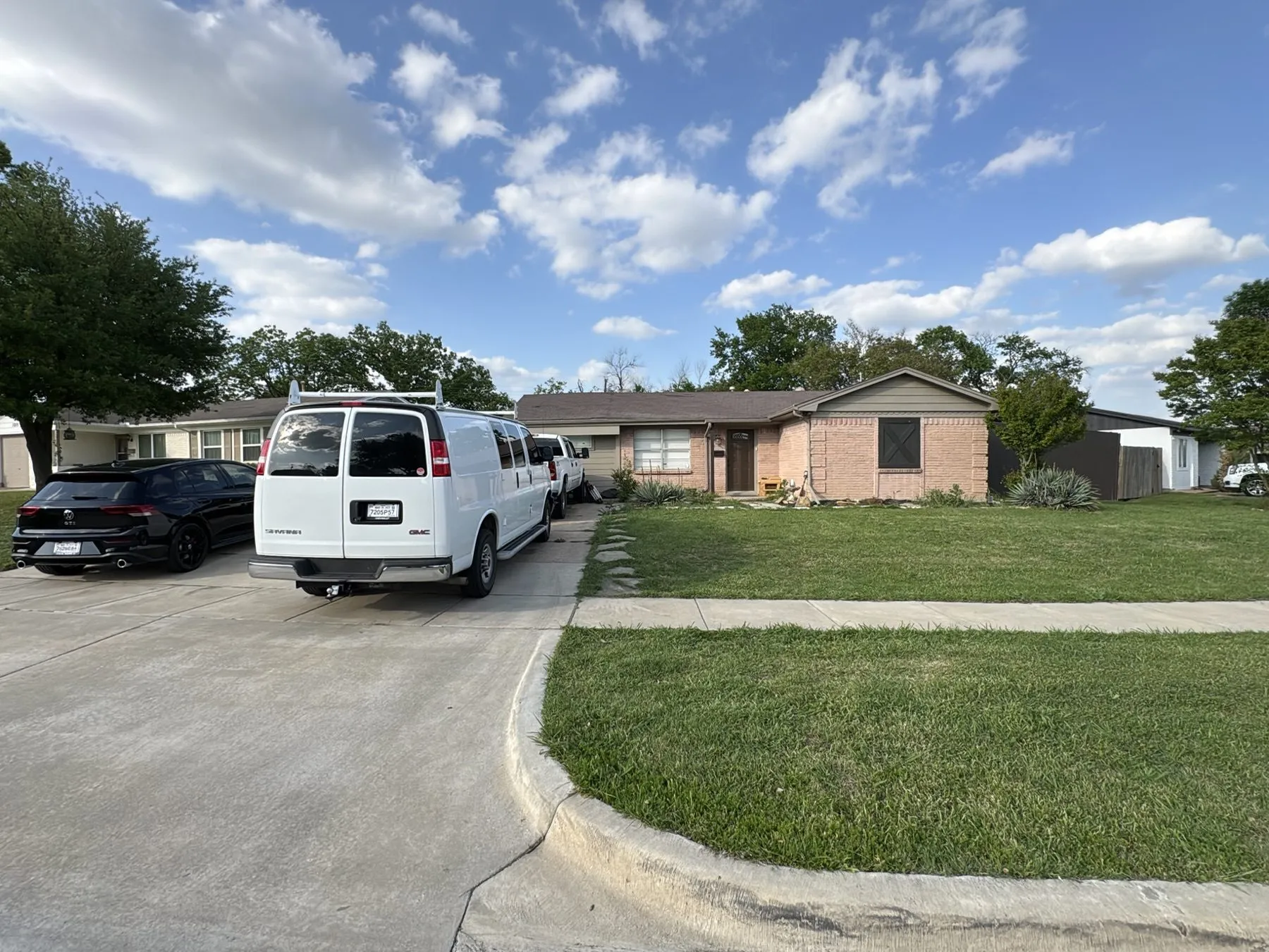
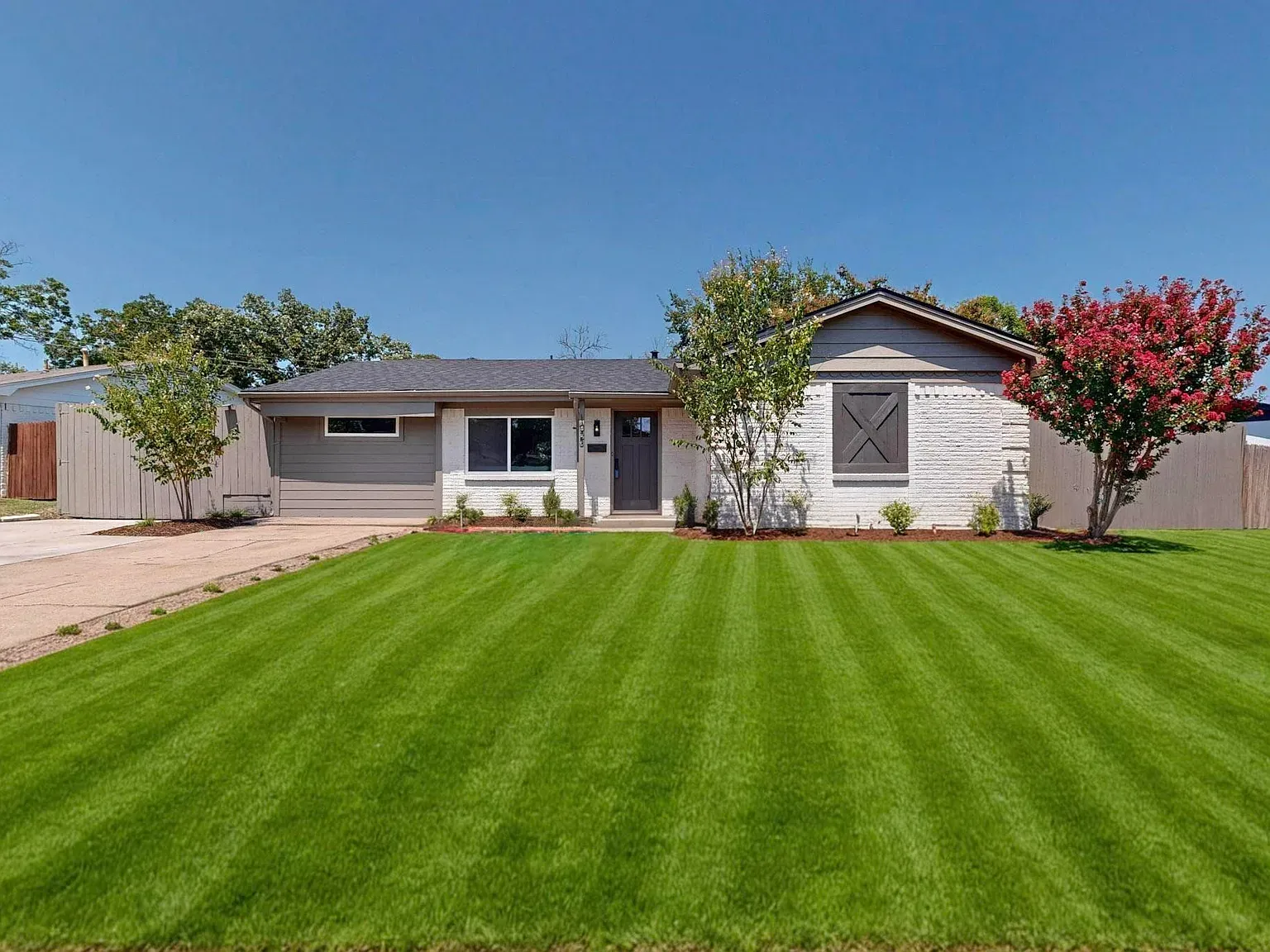
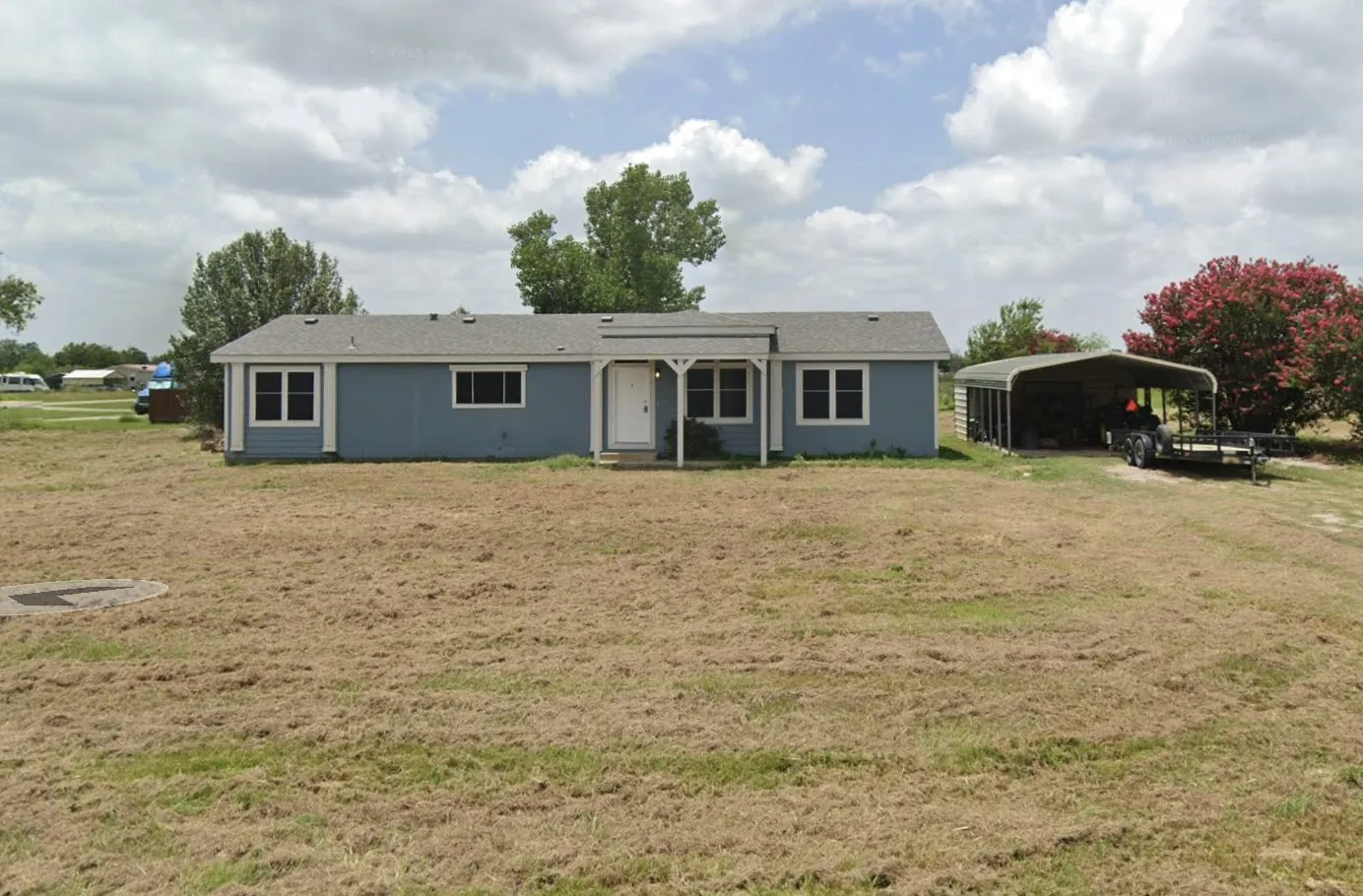
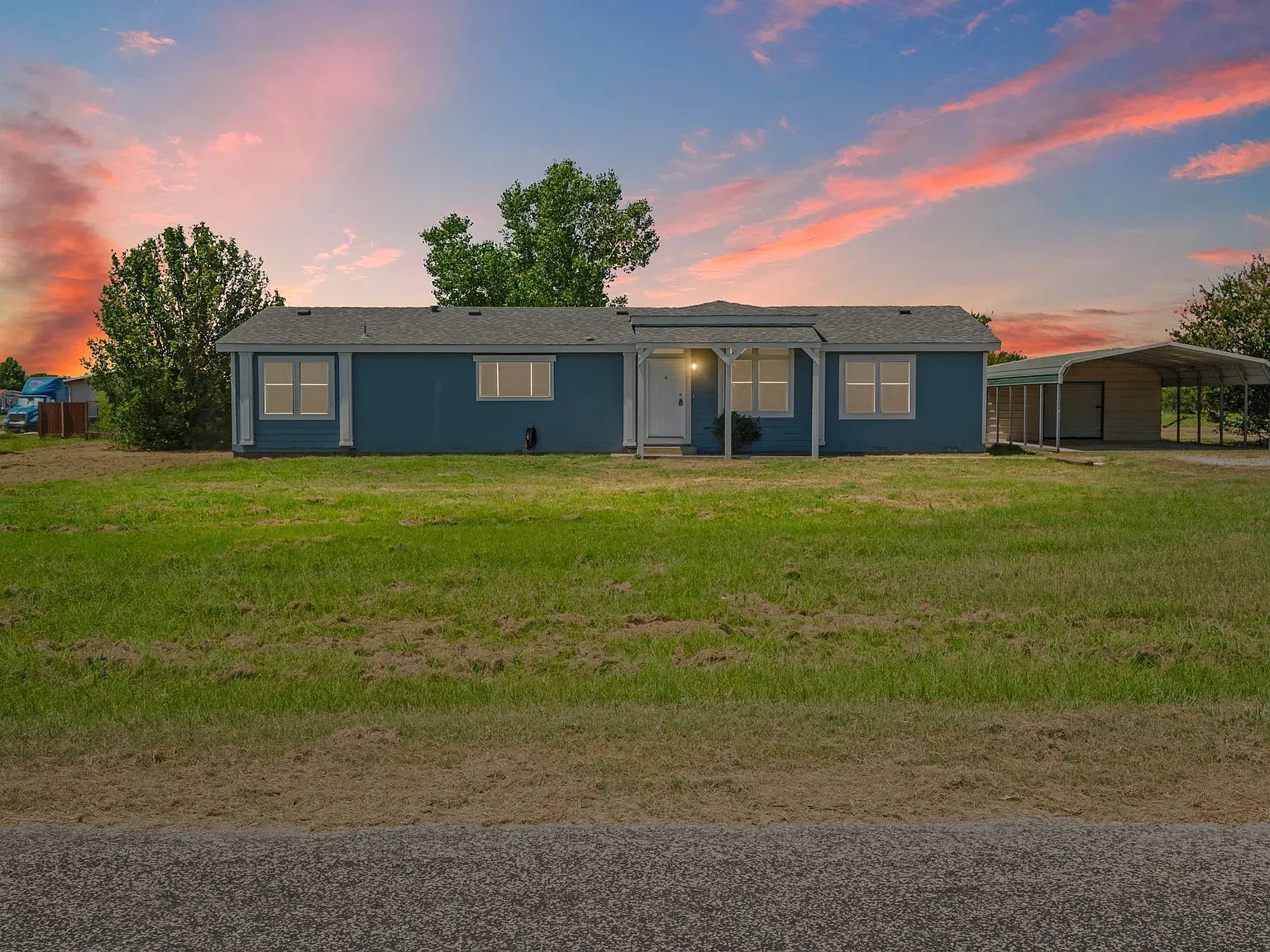
Garland's investor thesis is built on one of the deepest single-family rental pools in Dallas County, and the tired-landlord exit is the deal type it produces most. A large share of the stock in 75040, 75041, 75042, and 75043 was built between 1965 and 1985 as starter homes for the original Kraft Foods, Resistol Hats, and Garland ISD families, then converted to rentals over the following decades. The owners selling now are landlords 15 or 20 years into the hold, into their third or fourth tenant cycle, and done with turnover — clean-exit motivation on tenant-occupied product where the discount lives in deferred maintenance the seller has stopped funding. A buyer steps into existing tenancy; the eviction-and-list cycle the landlord wanted to skip is exactly what kept the house off the retail market.
The stock itself is the opportunity, and Garland's geography splits it cleanly. The older 75041 and 75042 core south and central of downtown carries the densest run of 1960s–1980s single-family on slab — mid-century starter homes with the original systems, the deepest tired-landlord and inherited inventory. Inherited 1960s–1970s ranches cluster near Garland Road and Centerville Road, frequently managed by an heir who lives out of state and has no interest in a Dallas-County rehab. North and east — Firewheel, Duck Creek, Club Hill, Eastern Hills — run newer and more retail-stable, lighter-rehab hold territory rather than heavy value-add.
Two Garland-specific situations widen the off-market pipeline. Roughly 42% of Garland is Hispanic or Latino per the 2020 census, and a meaningful share of owners transact entirely in Spanish from first call through the title-company close — a seller pool conventional retail marketing reaches poorly, which is part of why this inventory surfaces off-market at all. The other is storm history: the December 26, 2015 EF4 tornado cut through Garland and Rowlett, and a decade later files still surface in the original path where the structural and exterior repairs were done in 2016, the insurance closed out, and the owner is selling with that history baked into title and disclosure. Financed retail buyers re-litigate that paperwork after inspection; an investor pricing the as-is condition does not. Pre-foreclosure files inside Garland ISD boundaries, where a tax-delinquency or mortgage-default calendar sets the timeline, round out the recurring sources.
Execution stays inside the county. Garland files close through Dallas-based title companies, with tenant-occupied transitions, probate files, and tax-delinquent cures coordinated inline with the title attorney. Every marketplace deal is a single-closing assignment of contract: you take title at closing and pay one set of closing costs, with Diamond paid on the spread between contract and assignment at the title company. Offers go through the portal — your amount, close date, and financing type — and both core strategies fit: fix-and-flip in the 75041/75042 mid-century core where the deferred-maintenance discount sits, and buy-and-hold / BRRRR across Garland's rental pool, supported by vetted contractors, hard-money / DSCR / conventional lenders who already know how Diamond closes, and the per-deal flip and rental calculators included with free portal access. Statewide, Diamond has 1,000+ properties under contract and sources 8–12 new deals per week across the five Texas metros.